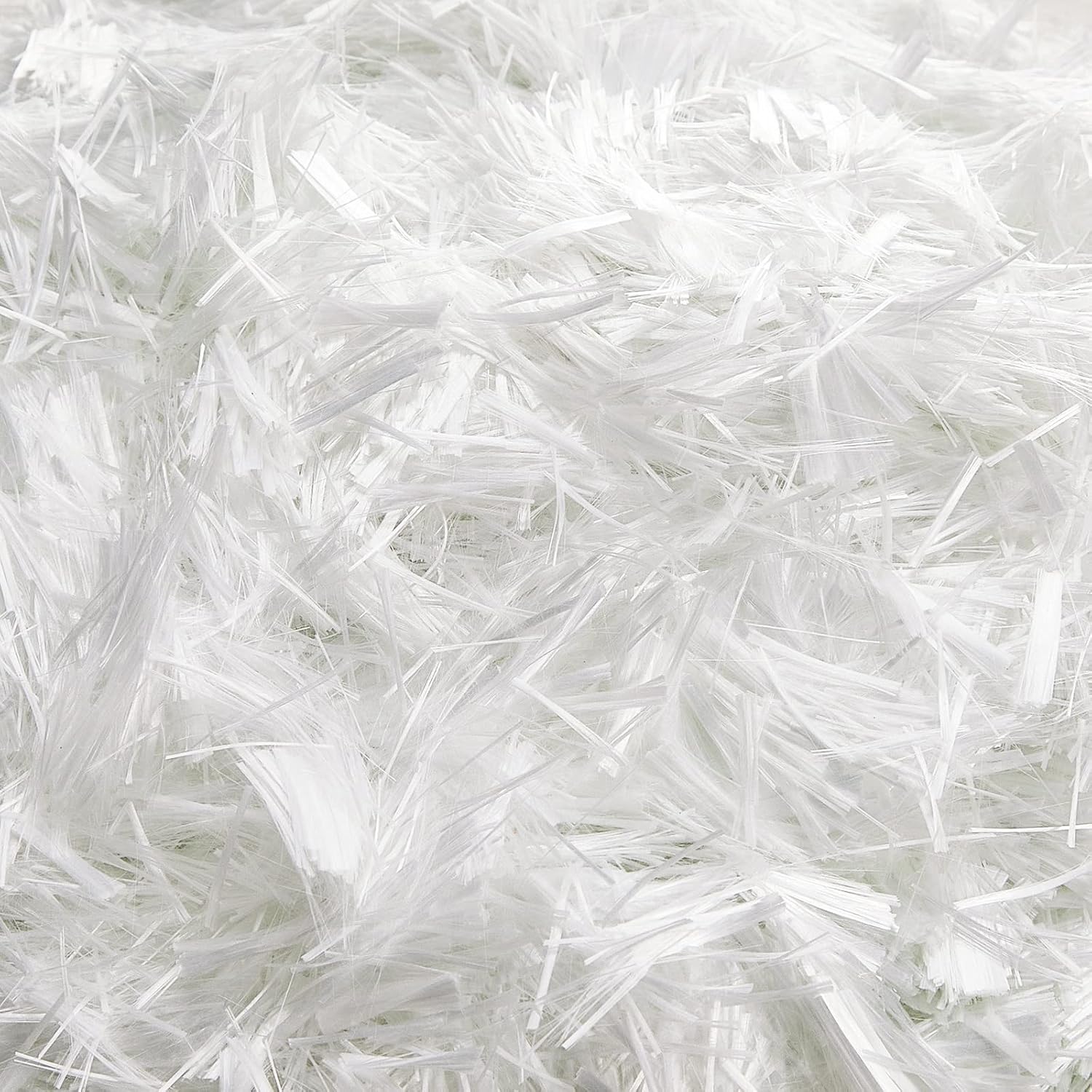
Fibers are evenly distributed throughout the concrete, providing increased resistance to mechanical stress and shrinkage-induced deformations.
Microfibre reduces the risk of shrinkage and thermal cracks during concrete curing and drying.
Fiber reinforcement makes concrete more resistant to freeze-thaw cycles, which is especially important in cold climates.
Polypropylene does not corrode, ensuring long-term performance of reinforced concrete elements.
Microfibre can be easily added to concrete mixes without additional equipment or complex procedures.
ReinLite – Polypropylene Microfibre
For effective reinforcement of concrete or mortar, it is recommended to use microfiber at a dosage of 0.9 kg per 1 m³. If your primary goal is to minimize cracking, a dosage of 0.6 kg per 1 m³ is sufficient.
ReinLite – Polypropylene Microfibre
For effective reinforcement of concrete or mortar, it is recommended to use microfiber at a dosage of 0.9 kg per 1 m³. If your primary goal is to minimize cracking, a dosage of 0.6 kg per 1 m³ is sufficient.
Contact us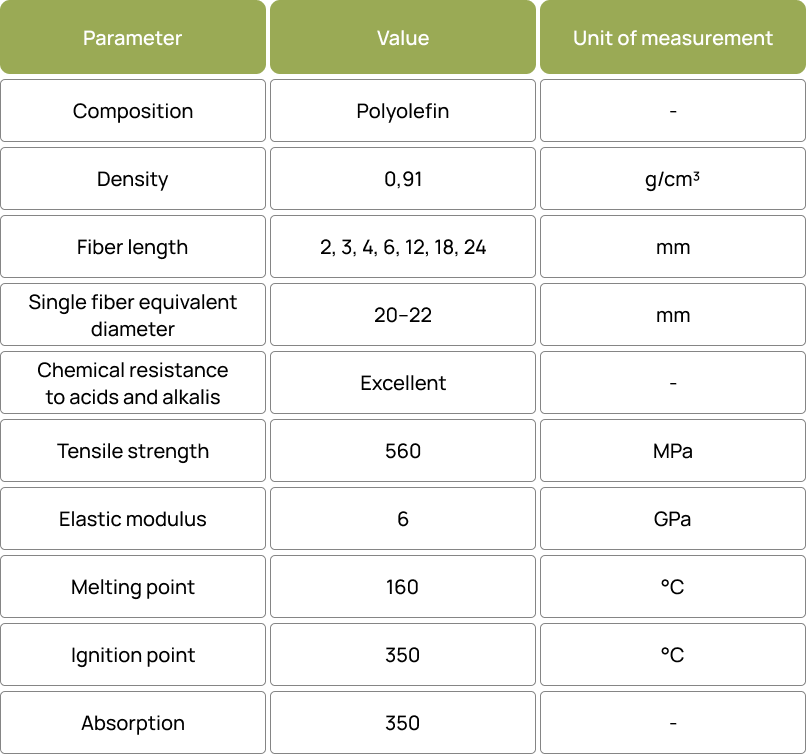
We are open to long-term partnerships with construction companies, distributors, and design organizations.
Get StartedUsing microfibre improves the quality of the concrete mix, making it more homogeneous and resistant to long-term operational loads. This increases the service life of structures while reducing maintenance and repair costs.
Microfibre is an effective solution for enhancing construction productivity and achieving the highest quality standards in modern construction.
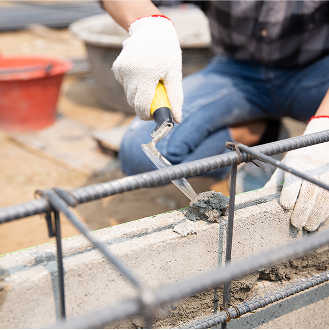
Production of reinforced concrete products

Hydraulic structures (dams, canals, etc.)
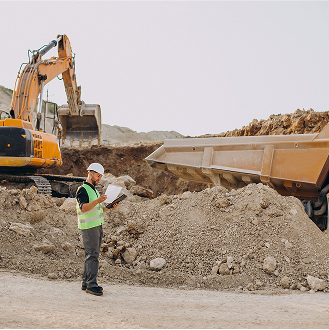
Roadworks and repair projects
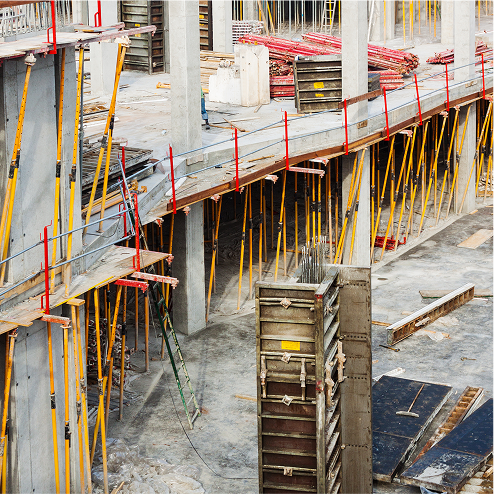
Projects requiring exceptional strength and durability